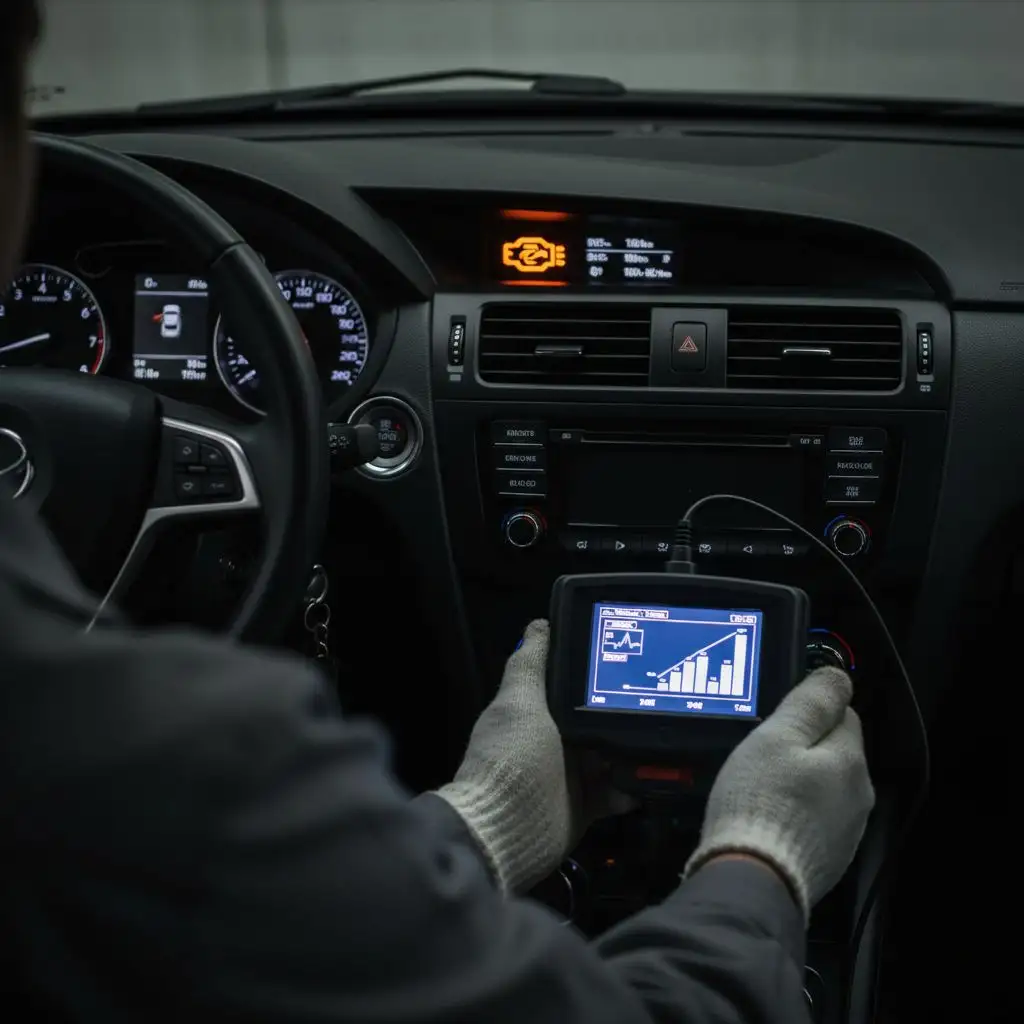
When your car starts showing signs of trouble, like overheating, it’s easy to get confused about the root cause. When radiator and coolant system issues can lead to similar symptoms, they require different fixes. Sorting out which problem you’re facing helps you avoid costly repairs and keeps your vehicle running smoothly.
In this post, you’ll learn how to identify the difference between radiator and coolant systems issues. We’ll guide you through clear signs and practical tips to spot the problem quickly. Keep reading to discover how to protect your car from damage caused by car overheating.
Understanding Radiator and Coolant System Problems
Your car’s cooling system is a complex network, with the radiator and coolant playing key roles. When something goes wrong here, the engine temperature rises, which can cause severe damage. Knowing what to watch for helps you act fast.
Both issues might make your car temperature gauge rise, but the source of trouble differs. The radiator issue usually relates to physical damage, leaks, or blockages in the radiator. By contrast, a coolant system issue often involves leaks, low coolant levels, or air trapped in the system.
9 Tips to Identify Radiator vs Coolant System Issues
1. Check for Coolant Leaks
Look under your car for any puddles of bright green, orange, or pink fluid. Coolant leaks often appear here and signal a coolant system issue.
2. Inspect Radiator Hoses
Feel for cracks or brittleness in the hoses connected to the radiator. Damaged hoses may be a sign of a radiator issue.
3. Look at the Radiator Cap
A loose or damaged radiator cap can cause pressure problems, leading to overheating. This points to a potential radiator issue.
4. Monitor Temperature Gauge
If the gauge quickly rises after starting your car, the radiator might be blocked or clogged, indicating a radiator issue.
5. Smell Antifreeze
A sweet smell inside the cabin signals a coolant system issue, often due to leaks near the heater core.
6. Check Coolant Level
Low coolant levels indicate a leak or the system needs topping up, clearly showing a coolant system issue.
7. Watch for Steam
Steam from under the hood means coolant is escaping, possibly from the radiator or system.
8. Look for Rust or Slime
Rust or strange slime inside the radiator or coolant tank is a bad sign of issues with the radiator and coolant system.
9. Feel Engine Temperature
If the engine overheats during slow traffic, the radiator fan may not work correctly, suggesting a radiator issue.
Why Professional Help Matters
Diagnosing a radiator versus a coolant system issue can be tricky without proper tools and experience. Professionals can conduct thorough inspections, pressure tests, and coolant analysis to pinpoint the problem.
Trying to fix these issues without expertise can lead to more damage or hidden leaks that worsen over time. Getting expert help ensures the problem is resolved correctly and your car stays safe on the road.
Professional Automotive Services
At Fitz’z Automotive Service, we understand how frustrating car overheating concerns can be. Our experts specialize in diagnosing and repairing radiator and coolant system issues to keep your vehicle running perfectly. With years of experience and a client-focused approach, Fitz’z Automotive Service delivers reliable and efficient automotive solutions tailored to your needs.
Don’t let minor problems turn into expensive repairs—Trust Fitz’z Automotive Service to handle your cooling system issues with care and precision.